
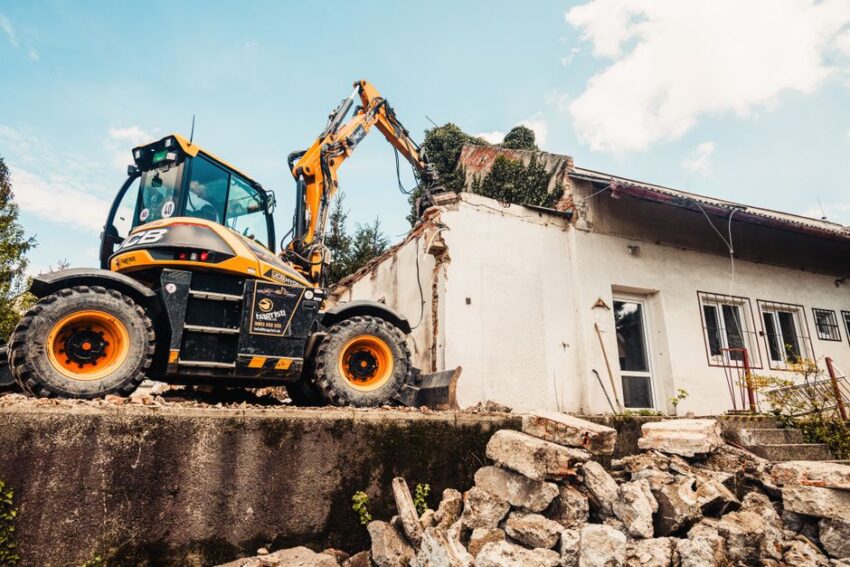
When it comes to construction and renovation, demolition is often the first step in the process. Choosing the right demolition contractor is crucial to ensure that the job is done safely and efficiently. This article will explore the key aspects of selecting a demolition contractor, the different types of demolition services available, and what to expect during the demolition process.
Understanding Demolition Services
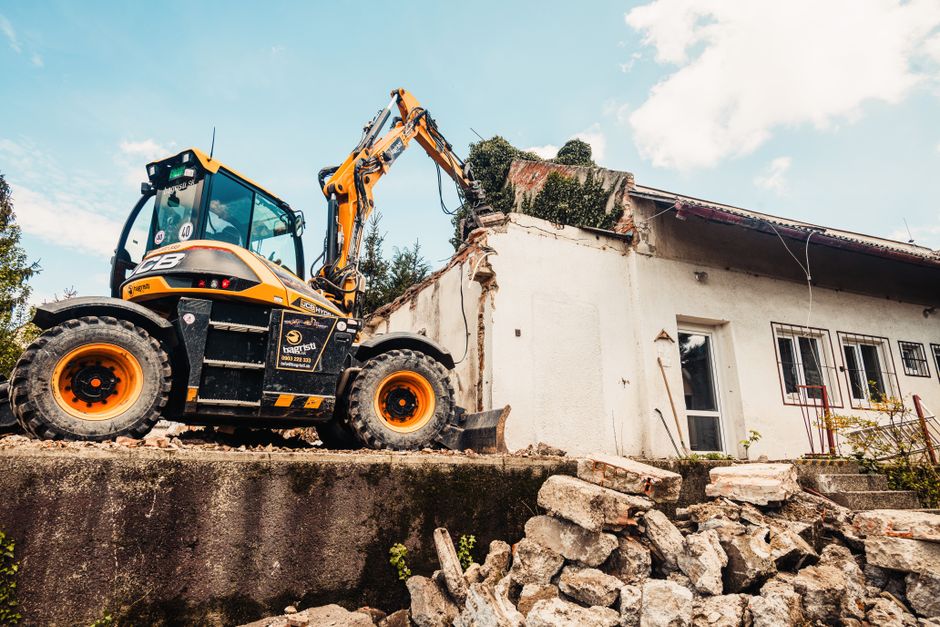
Demolition services can vary widely depending on the scope and nature of the project. There are generally two main types of demolition: total demolition and selective demolition. Total demolition involves completely tearing down a structure, while selective demolition focuses on removing specific parts of a building while retaining others.
For instance, if you’re renovating a historic building, you may want a contractor who specializes in selective demolition to preserve key architectural elements. Selecting a contractor who understands these nuances is essential for a successful project.
Moreover, the methods used for demolition can also differ. Traditional methods involve heavy machinery and manual labor, while modern techniques may utilize advanced technologies such as robotic demolition equipment. Understanding these differences can help you choose a contractor that fits your specific needs.
Key Factors to Consider
When selecting a demolition contractor, several key factors should be considered. First and foremost, ensure that the contractor is licensed and insured. This not only protects you from liability but also indicates that the contractor meets the necessary safety and quality standards.
Additionally, consider the contractor’s experience and reputation. Look for reviews, testimonials, and case studies from previous clients. A reputable demolition contractor will often have a portfolio showcasing their past projects, which can provide insight into their capabilities.
Another crucial factor is safety. Demolition can be hazardous, and a good contractor will have a robust safety plan in place. Ask potential contractors about their safety protocols and how they handle potential hazards.
The Demolition Process
Once you’ve selected a demolition contractor, it’s important to understand what to expect during the demolition process. Typically, the process begins with a thorough site inspection to assess the structure and identify any potential challenges.
After the inspection, the contractor will develop a detailed demolition plan that outlines the methods to be used, the timeline for the project, and any necessary permits. Communication is key during this stage, so ensure that your contractor is transparent and responsive to your questions.
On the day of the demolition, the contractor will typically set up safety barriers and manage traffic in the surrounding area to ensure safety for workers and the public. Depending on the scale of the project, the demolition can take anywhere from a few hours to several days.
Post-Demolition Considerations
After the demolition is complete, there are several post-demolition considerations to keep in mind. First, the site will need to be cleared and prepared for the next phase of construction, which may involve debris removal and site grading.
Additionally, ensure that the contractor provides a final report detailing the work completed. This report can be useful for future construction phases and for your records.
Finally, consider the environmental impact of the demolition. Many contractors now offer recycling services for materials that can be salvaged, which is not only environmentally friendly but can also save costs in the long run.
Conclusion
Choosing the right demolition contractor is a critical step in any construction project. By understanding the different types of demolition services available, considering key factors such as licensing, experience, and safety, and knowing what to expect during the demolition process, you can ensure a successful collaboration. A well-selected contractor will not only facilitate a smooth demolition but will also set the stage for the next exciting phase of your construction project.