
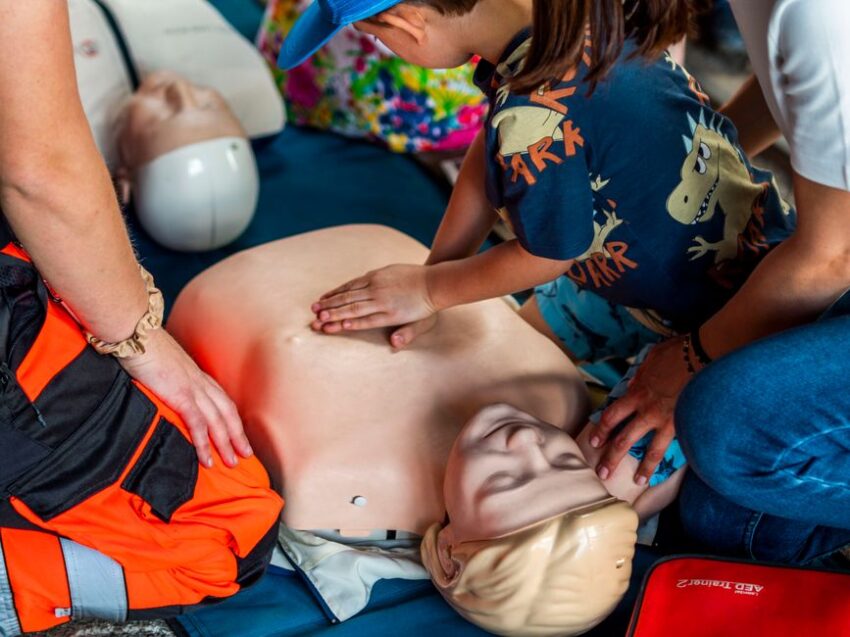
In emergencies where every second counts, knowing how to perform Cardiopulmonary Resuscitation (CPR) can save lives. This life-saving technique is essential for anyone who may find themselves in a situation where a person has stopped breathing or their heart has stopped beating. Understanding the principles and techniques of CPR is crucial for both laypersons and professionals alike. In this article, we will explore the importance of CPR, the steps involved, and how to effectively respond in an emergency.
The Importance of CPR
CPR is a vital skill that can significantly increase the chances of survival in cardiac arrest situations. According to the American Heart Association, around 350,000 out-of-hospital cardiac arrests occur annually in the United States alone. The chances of survival decrease by about 10% with each passing minute without CPR and defibrillation. Thus, immediate action is critical.
Moreover, CPR not only helps to maintain blood flow to the heart and brain but also provides a chance for the heart to restart. Training in CPR can empower ordinary citizens to act decisively in emergencies, bridging the gap until professional medical help arrives.
Understanding the CPR Process
CPR consists of two main components: chest compressions and rescue breaths. The American Heart Association recommends the following steps:
1. **Check the scene**: Ensure the environment is safe before approaching the victim.
2. **Assess the victim**: Tap the person and shout, “Are you okay?” If there is no response, call for emergency help immediately.
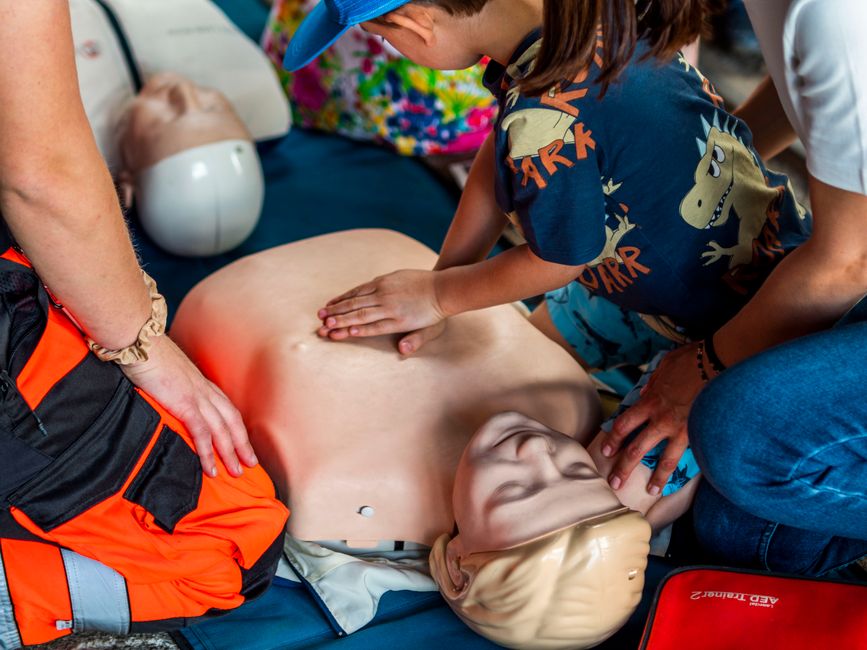
3. **Begin chest compressions**: Place the heel of one hand on the center of the chest, interlock your fingers, and push down hard and fast, at a rate of 100-120 compressions per minute.
4. **Rescue breaths**: If trained, after every 30 compressions, give 2 rescue breaths by tilting the victim’s head back, pinching the nose, and sealing your mouth over theirs.
5. **Continue CPR** until emergency services arrive or the person shows signs of life.
CPR Training and Certification
Understanding CPR is not just a theoretical exercise; practical training is essential. Many organizations offer CPR courses that provide hands-on training and certification. For instance, individuals in Stockholm can enroll in specialized courses to become certified in CPR. Participating in a course like HLR kurs Stockholm can be a great way to gain confidence and competence in performing CPR.
Training typically includes both classroom instruction and practical demonstrations on mannequins, allowing participants to practice techniques in a controlled environment. Regular refreshers and recertification are recommended to keep skills up-to-date.
Common Myths About CPR
Despite its critical importance, there are several misconceptions about CPR that can hinder effective response in emergencies. One common myth is that CPR is only necessary for adults; however, children and infants can also experience cardiac arrest. It’s essential to adapt the techniques appropriately for different age groups.
Another myth is that performing CPR can cause harm. While it is true that there are risks involved, the benefits of providing CPR far outweigh the potential consequences of inaction. Even if you are unsure or feel unqualified, attempting CPR is better than doing nothing at all.
The Role of AEDs in CPR
Automated External Defibrillators (AEDs) are devices that can analyze the heart’s rhythm and provide an electric shock if necessary. Using an AED in conjunction with CPR can significantly improve survival rates. These devices are designed to be user-friendly and provide voice prompts for guidance.
Many public places, including airports and shopping malls, are equipped with AEDs, and knowing how to use them can be lifesaving. When performing CPR, if an AED is available, it should be used as soon as possible to maximize the victim’s chances of survival.
Conclusion
Cardiopulmonary Resuscitation (CPR) is an invaluable skill that everyone should learn. The ability to respond swiftly and effectively during a cardiac arrest can mean the difference between life and death. By understanding the basics of CPR, participating in training courses, and dispelling common myths, we can better prepare ourselves to act in emergencies. Every second counts, and your actions could save a life.