
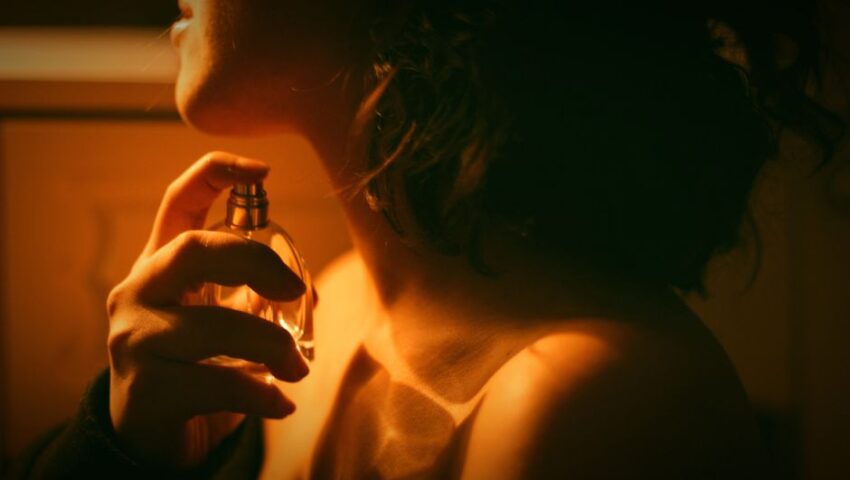
Perfume has been an essential part of human culture for centuries, transcending time and geography. From ancient Egyptian rituals to modern-day luxury brands, fragrances have played a significant role in expressing identity and emotions. This article delves into the intricate world of perfume, exploring its history, the science behind scent creation, and practical tips for choosing the perfect fragrance.
The History of Perfume
The origins of perfume can be traced back to ancient civilizations. The Egyptians were among the first to use scents in their rituals, utilizing ingredients like myrrh and frankincense in religious ceremonies. As trade routes expanded, so did the availability of exotic materials. By the time of the Roman Empire, perfumes became a status symbol, with the wealthy using them to signify their affluence.
In the Middle Ages, fragrances took on new significance, often being associated with health and wellness. They were used to ward off diseases, especially during the plague. The Renaissance period saw a revival of interest in perfumes, leading to the development of more sophisticated scent-making techniques.
Today, the perfume industry is a multi-billion-dollar market, with luxury brands and niche perfumers competing for the attention of consumers. Each fragrance tells a unique story, reflecting the artistry and creativity of its creator.
The Science of Scent
Creating a perfume is both an art and a science. The process begins with the selection of raw materials, which can include essential oils, synthetic compounds, and various other ingredients. These components are carefully blended to create a harmonious scent profile. The three main notes of a perfume—top, middle, and base—play a crucial role in how a fragrance develops over time.
Top notes are the initial scents that are perceived when a fragrance is first applied. They are usually light and evaporate quickly. Middle notes, or heart notes, emerge as the top notes fade, providing the fragrance with its core character. Finally, base notes are the lingering scents that ground the fragrance, often lasting the longest on the skin.
Modern perfumers often use advanced technology to analyze and replicate scents. This scientific approach has led to the creation of innovative fragrances that push the boundaries of traditional perfumery. The use of synthetic materials has allowed for the creation of scents that were previously unattainable, expanding the olfactory palette available to perfumers.
Choosing the Right Perfume
With the vast array of fragrances available, choosing the right perfume can be a daunting task. Start by understanding your personal preferences, including the types of scents you are drawn to. Do you prefer floral, fruity, woody, or oriental fragrances? It’s important to test different scents on your skin, as body chemistry can significantly alter how a fragrance smells.
When sampling perfumes, apply them to your pulse points—such as the wrist, neck, and behind the ears—where the warmth of your body will enhance the scent. Allow the fragrance to develop over time before making a decision, as the initial impression may not reflect the scent’s full character.
Consider the occasion when selecting a fragrance. Lighter scents are often more appropriate for daytime wear, while deeper, more intense fragrances can be reserved for evenings or special events. Additionally, layering fragrances can create a unique scent profile that is distinctly yours.
The Future of Perfume
The future of the perfume industry is bright, with trends leaning towards sustainability and personalization. Many brands are now focusing on eco-friendly practices, from sourcing ingredients responsibly to using recyclable packaging. Consumers are becoming increasingly aware of the impact of their choices, leading to a demand for transparency in the fragrance industry.
Moreover, technology continues to play a pivotal role in fragrance development. Artificial intelligence and data analysis are being utilized to predict trends and create tailored scents based on consumer preferences. This shift towards personalization allows for a more intimate relationship between consumers and their fragrances.
As we look ahead, the fusion of art, science, and technology will surely shape the future of perfume, making it an even more integral part of our lives.
Conclusion
The world of perfume is a fascinating blend of history, science, and artistry. Understanding the nuances of scent creation and how to choose the right fragrance can enhance your personal expression. Whether you’re drawn to the classics or the avant-garde, there’s a perfume out there for everyone. Explore the myriad options available, and consider indulging in the luxurious creations from brands like Maison Francis Kurkdjian (MFK) that continue to redefine the boundaries of fragrance.