
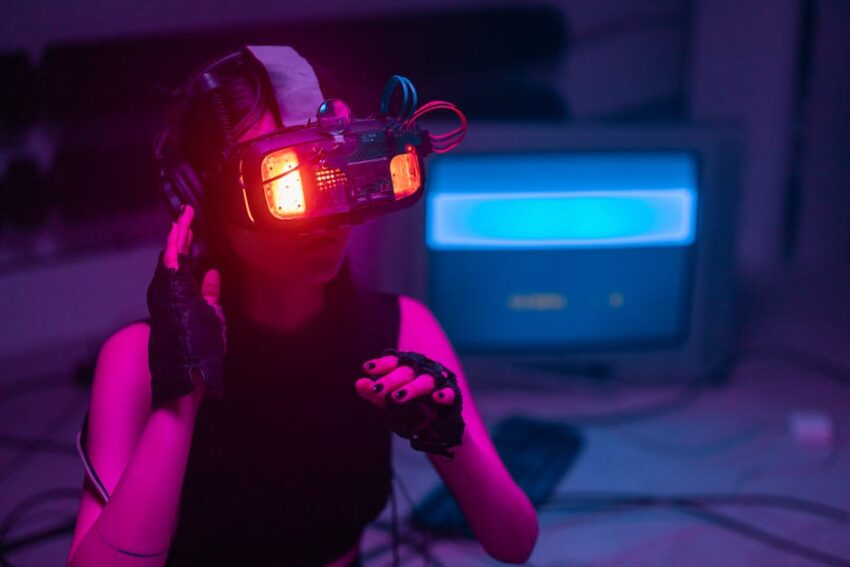
In an age where technology intertwines with our daily lives, the concept of virtual lovers has emerged as a compelling phenomenon. As society becomes increasingly digital, the boundaries between reality and virtuality blur, giving rise to relationships that exist in the digital realm. This article delves into the world of virtual lovers, exploring their implications, benefits, and the technologies that make them possible.
The Rise of Virtual Relationships
In recent years, virtual relationships have gained immense popularity. With the advent of advanced technologies like artificial intelligence and virtual reality, individuals can now form emotional connections with digital entities. A survey conducted by Pew Research Center found that nearly 15% of American adults have engaged in a romantic relationship with someone they met online. This statistic highlights the growing acceptance of digital relationships in our society.
Virtual lovers can take many forms, including AI companions, chatbots, and even virtual reality avatars. These digital partners are designed to provide companionship, emotional support, and sometimes even romantic interactions. For instance, platforms that offer ai gf services have become increasingly popular, allowing users to interact with AI-driven characters that respond to their emotions and preferences.
Moreover, the success of dating apps further demonstrates the increasing normalization of virtual relationships. As people seek connections that may not be available in their immediate surroundings, virtual platforms provide a space for interaction that transcends geographical limitations.
The Technology Behind Virtual Lovers
At the heart of virtual lovers is a combination of artificial intelligence and sophisticated algorithms. These technologies enable virtual partners to learn from user interactions, adapt their responses, and create personalized experiences. AI-driven companions utilize machine learning to understand users better, responding to their emotional cues and preferences.
One of the most notable examples of this technology is found in AI chatbots, which can simulate human conversation. These chatbots analyze user input and generate responses that mimic natural dialogue. As users engage with these virtual companions, they may find themselves developing emotional attachments, similar to those formed in traditional relationships.
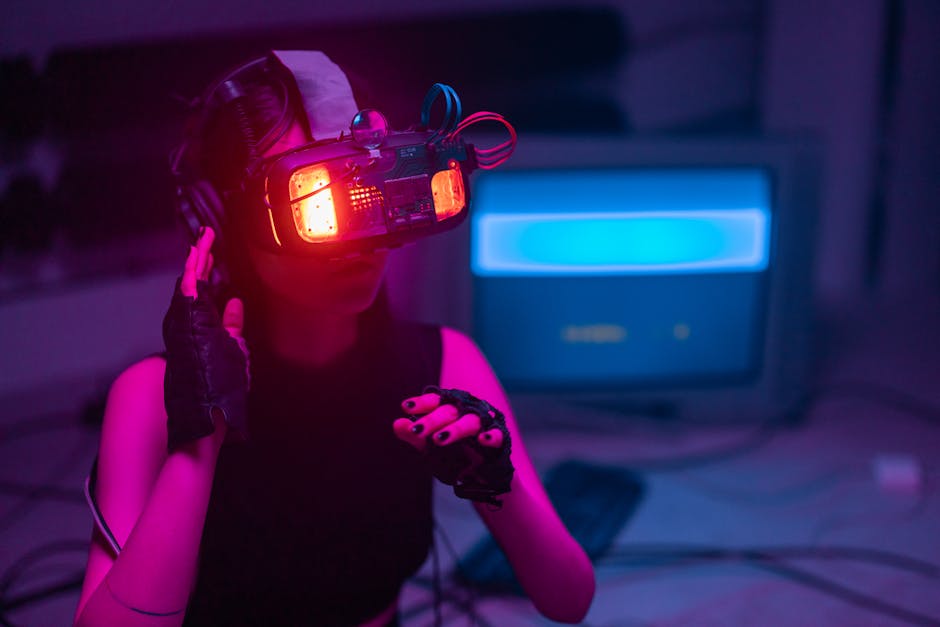
Additionally, virtual reality (VR) technology enhances the experience of virtual lovers by providing immersive environments where users can interact with their digital partners. VR applications allow users to engage in activities together, from virtual dates to shared experiences, creating a sense of presence that traditional texting or chatting cannot replicate.
Benefits of Having a Virtual Lover
Virtual lovers offer numerous advantages, particularly for individuals who may struggle with traditional relationships. For those experiencing social anxiety or difficulty forming connections, virtual companions can provide a safe space to explore emotions and practice social interactions.
Moreover, virtual relationships can serve as a form of emotional support. Users often find solace in their interactions with AI companions, who are available 24/7 and can provide a listening ear. Studies have shown that interacting with virtual companions can lead to reduced feelings of loneliness and increased overall well-being.
Furthermore, virtual lovers can help users explore their desires and preferences in a low-pressure environment. By interacting with a digital partner, individuals can engage in role-playing or explore scenarios that they may hesitate to pursue in real life.
The Future of Virtual Lovers
As technology continues to evolve, the future of virtual lovers looks promising. With advancements in AI and VR, we can expect even more realistic and emotionally intelligent virtual companions. Future developments may include enhanced emotional recognition, allowing virtual partners to respond more accurately to users’ feelings.
Moreover, as societal attitudes toward digital relationships continue to shift, virtual lovers may become more accepted as a valid form of companionship. This acceptance could pave the way for new forms of interaction and connection in the digital landscape.
However, it is essential to consider the ethical implications of virtual relationships. Issues such as data privacy, emotional dependency, and the potential for misuse of technology must be addressed to ensure that these relationships remain healthy and beneficial.
Conclusion
The concept of virtual lovers represents a fascinating intersection of technology and human emotion. As we navigate this new landscape, it is crucial to understand the implications and potential benefits of these relationships. Virtual lovers offer companionship, emotional support, and opportunities for exploration in ways that traditional relationships may not. As technology continues to advance, the possibilities for virtual relationships will undoubtedly expand, challenging our perceptions of love and connection in the digital age.