
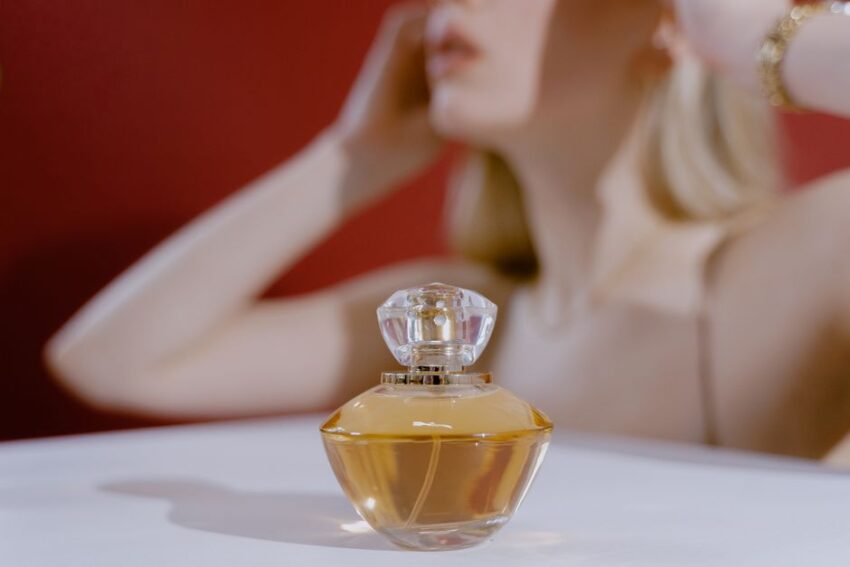
Perfume has been a captivating element of human culture for centuries, evoking emotions, memories, and even enhancing personal identity. From ancient civilizations to modern-day perfumeries, the world of fragrance is rich with history and artistry. This article delves into the fascinating world of perfume, exploring its origins, the intricacies of composition, and the future of scent in our daily lives.
The History of Perfume
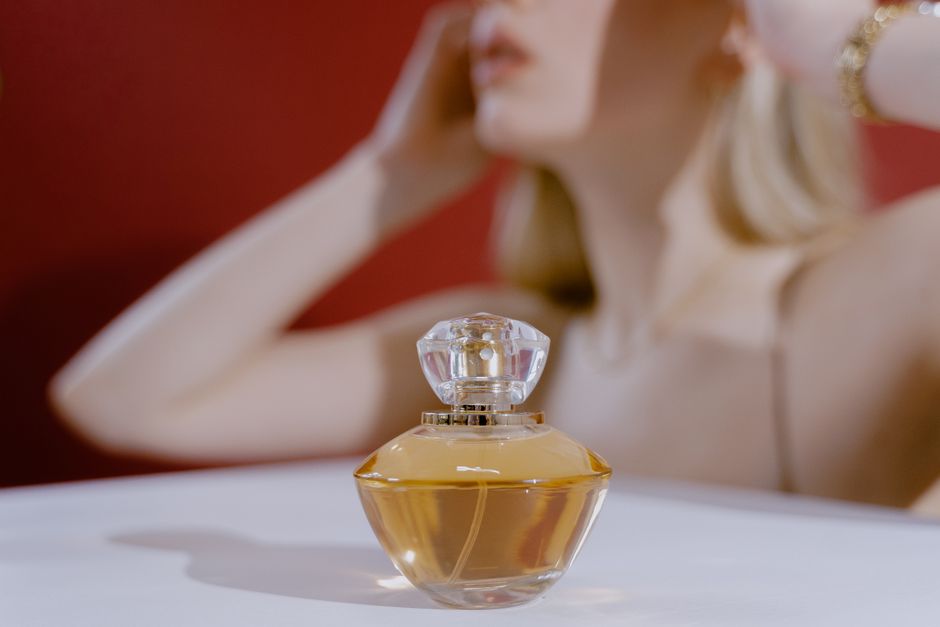
Perfume dates back to ancient Egypt, where it was used in religious ceremonies and daily life. The Egyptians believed that scent had the power to connect the physical world with the divine. As trade expanded, the art of perfumery spread to other cultures, including the Greeks and Romans, who used fragrances for both personal use and therapeutic purposes.
By the Middle Ages, perfume had become an essential part of European life, especially among the aristocracy. The use of scent was not only for pleasure but also for masking unpleasant odors in an era without modern hygiene practices. The Renaissance marked a turning point with the introduction of new ingredients and techniques, laying the foundation for modern perfumery.
The Art of Composition
Creating a fragrance is much like composing a piece of music; it requires a delicate balance of notes to create a harmonious scent. Perfumes are typically crafted from three layers: top, middle, and base notes. Top notes are the initial scents perceived upon application, often citrus or light floral. Middle notes develop shortly after and form the heart of the fragrance, usually comprising floral or spicy elements. Finally, base notes provide depth and longevity, commonly featuring woody or musky scents.
For example, a perfume might open with bright bergamot (top note), transition to a rich jasmine (middle note), and settle into warm sandalwood (base note). This intricate layering is what makes each fragrance unique and memorable. Additionally, the quality of ingredients can significantly impact the final product, with natural oils often being favored for their complexity and depth.
The Science Behind Scent
Perfume is not just an art form; it is also a science. The olfactory system, which processes scent, is closely linked to memory and emotion. This connection is why certain fragrances can evoke powerful memories or feelings. Research has shown that scent can trigger memories more effectively than visual or auditory stimuli, making fragrance a potent tool for emotional resonance.
Furthermore, individual body chemistry plays a crucial role in how a perfume smells on a person. Factors such as skin type, diet, and even hormonal changes can alter the way a fragrance develops. This is why it’s essential to test a perfume on your skin before making a purchase.
The Future of Perfume
As we look to the future, the perfume industry is evolving to meet the demands of a changing world. Sustainability has become a significant focus, with many brands prioritizing eco-friendly practices and sourcing. This shift is not only beneficial for the environment but also appeals to a growing consumer base that values ethical products.
Additionally, technology is playing a role in the evolution of fragrance. Brands are leveraging artificial intelligence to analyze scent preferences and create personalized perfumes tailored to individual tastes. For instance, companies like Maison Francis Kurkdjian (MFK) are leading the way in blending traditional craftsmanship with modern innovation.
Conclusion
Perfume is a multifaceted world that weaves together history, art, and science. It has the power to enhance our lives, evoke memories, and express our identities. As the industry continues to evolve, it promises to bring even more exciting developments. Whether you are a seasoned fragrance connoisseur or a curious newcomer, exploring the world of perfume can be a delightful and enriching experience.