
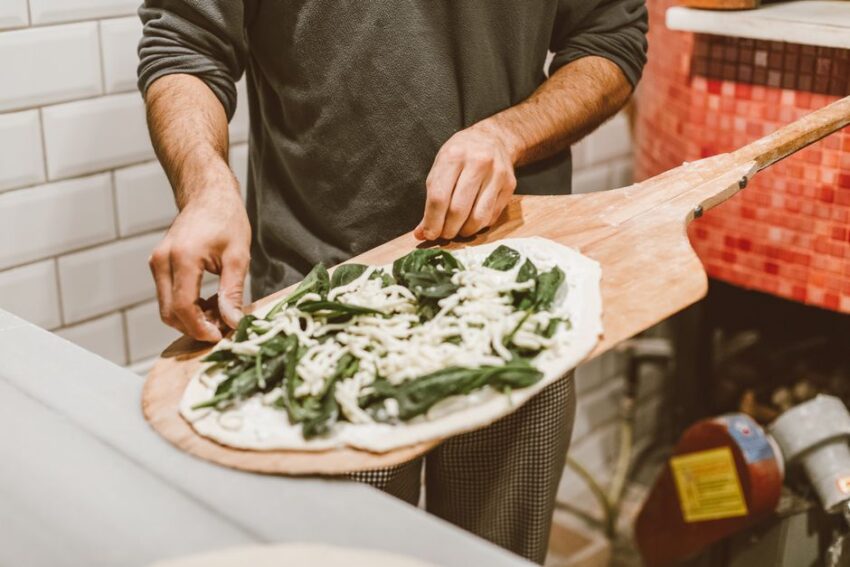
Handmade pizza is more than just a meal; it is a culinary experience that brings together tradition, creativity, and flavor. In a world where fast food often overshadows artisanal cooking, handmade pizza stands out as a beacon of authenticity. This article explores the fascinating world of handmade pizza, delving into its history, the art of preparation, and tips for creating the perfect pie at home.
The History of Pizza
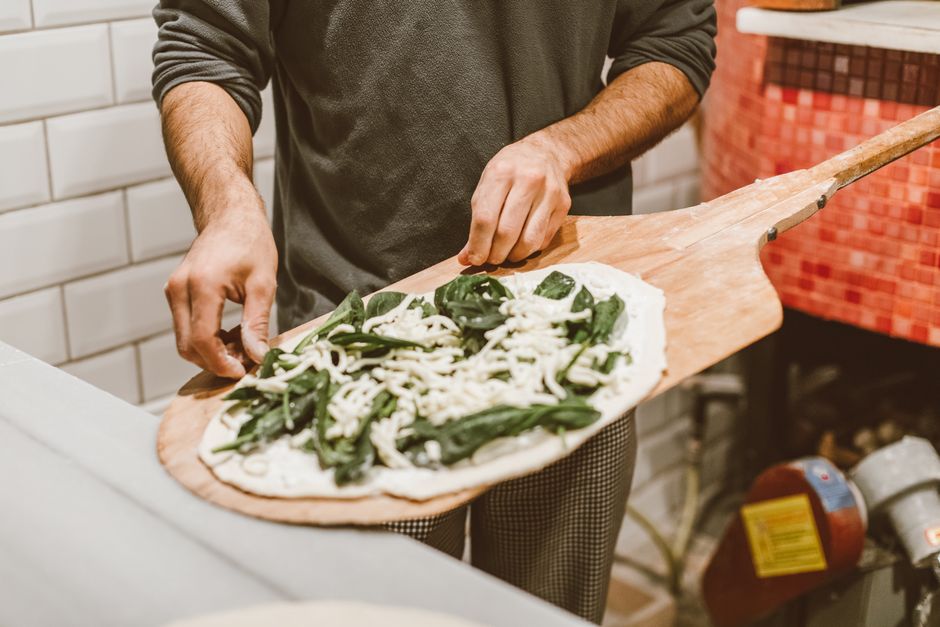
The origins of pizza can be traced back to ancient civilizations, where flatbreads topped with various ingredients were a common meal. However, the pizza we know today began to take shape in Naples, Italy, during the late 18th century. The margherita pizza, topped with tomatoes, mozzarella cheese, and basil, was created in honor of Queen Margherita of Savoy. This simple yet delicious combination has become a staple worldwide.
As pizza spread from Italy to America in the late 19th and early 20th centuries, it underwent various transformations. American pizza styles, such as New York and Chicago deep-dish, emerged, each with unique characteristics. Despite these variations, the essence of handmade pizza remains rooted in quality ingredients and traditional techniques.
Ingredients that Make a Difference
Creating a truly exceptional handmade pizza starts with selecting high-quality ingredients. The foundation of any pizza is the dough, which is typically made from flour, water, yeast, and salt. Using high-protein flour, such as bread flour, can result in a chewier, more flavorful crust.
When it comes to toppings, freshness is key. Opt for ripe tomatoes, fresh mozzarella, and high-quality olive oil to enhance the flavor profile. Additionally, consider seasonal toppings such as arugula, prosciutto, or even truffle oil to elevate your pizza to gourmet status. Remember, simplicity often leads to the most delicious results, so don’t overload your pizza with too many toppings.
The Technique of Dough Preparation
Preparing the dough is where the magic begins. Start by mixing the ingredients and kneading the dough until it reaches a smooth and elastic consistency. Allow it to rise for at least an hour, or even overnight in the refrigerator for enhanced flavor. This slow fermentation process develops the dough’s character and texture.
Once the dough has risen, it’s time to shape it. Gently stretch the dough using your hands instead of a rolling pin to maintain its airiness. This technique helps create a light and airy crust that is characteristic of handmade pizza. Aim for a thickness of about a quarter-inch for the perfect balance between crispness and chewiness.
Baking Techniques for Perfect Pizza
The baking process is crucial to achieving the ideal crust. Traditional wood-fired ovens can reach temperatures of up to 900°F, resulting in a beautifully charred crust. However, if you don’t have access to a wood-fired oven, a pizza stone in a conventional oven can work wonders. Preheat your oven to the highest setting and place the pizza stone inside for at least 30 minutes before baking.
When it’s time to bake, carefully transfer your topped pizza onto the hot stone. Bake for about 8-10 minutes, or until the crust is golden and the cheese is bubbling. Keep an eye on your pizza to prevent burning, as oven temperatures can vary.
Serving and Enjoying Handmade Pizza
Once your handmade pizza is out of the oven, it’s time to serve! Let it cool for a few minutes before slicing to allow the cheese to set slightly. Consider garnishing with fresh basil or a drizzle of high-quality olive oil for an extra touch.
Handmade pizza is best enjoyed fresh, but leftovers can be stored in the fridge and reheated in the oven for a quick meal. Pair your pizza with a refreshing salad or a glass of wine to complete the dining experience. Many pizza enthusiasts even suggest pairing different wines with various toppings to enhance the flavors of the meal.
For those looking to indulge, there are also gourmet options available at local pizzerias. For instance, you can explore options like LUXURY 777, which offers a unique take on traditional pizza.
Conclusion: The Joy of Handmade Pizza
Handmade pizza is a testament to the art of cooking and the joy of sharing good food with loved ones. Whether you’re a seasoned chef or a beginner in the kitchen, crafting your own pizza can be a rewarding experience. With the right ingredients, techniques, and a bit of creativity, you can create a pizza that not only satisfies your cravings but also showcases your culinary skills. So gather your friends and family, and embark on a delicious journey into the world of handmade pizza!