
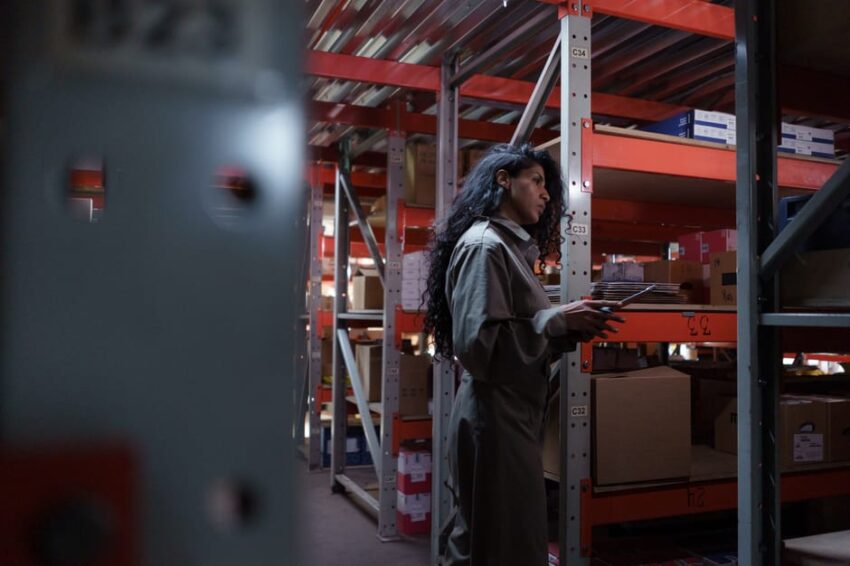
In today’s fast-paced business environment, the role of distributors is more critical than ever. They serve as the vital link between manufacturers and retailers, ensuring that products reach consumers efficiently and effectively. Distributors not only handle logistics but also play a significant role in marketing and sales strategies. Understanding their importance can provide valuable insights into optimizing supply chains and enhancing customer satisfaction.
Understanding the Distributor’s Role
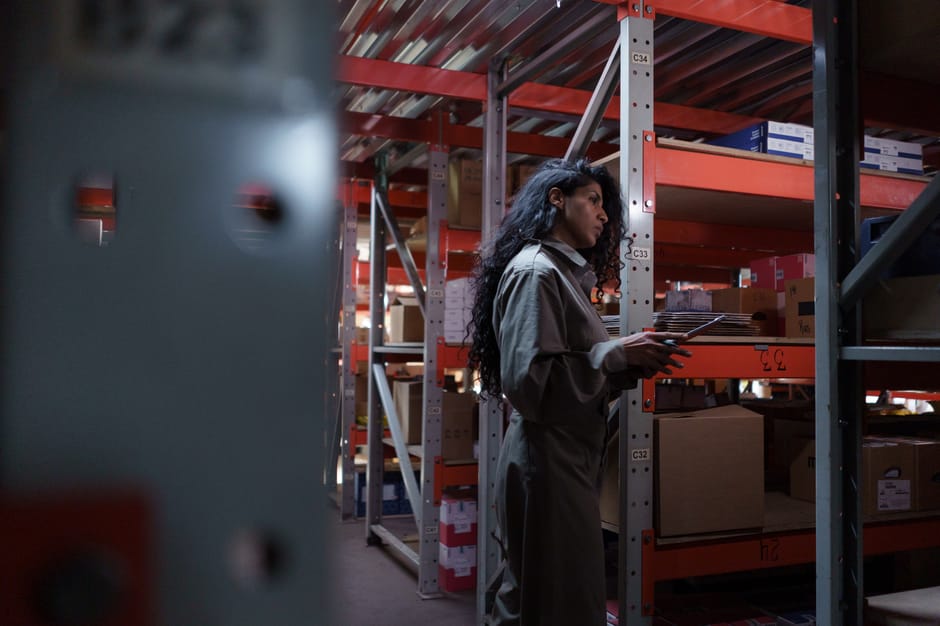
Distributors are intermediaries who purchase products in bulk from manufacturers and then sell them to retailers or directly to consumers. This model allows manufacturers to focus on production while distributors manage the complexities of distribution. By handling inventory, warehousing, and transportation, distributors reduce the burden on manufacturers and facilitate a smoother supply chain.
For instance, a beverage manufacturer may produce various drinks but may not have the resources to manage nationwide distribution. A distributor steps in to manage logistics, ensuring that products are delivered to grocery stores, convenience shops, and restaurants across the country. This relationship benefits both parties, allowing for specialization and efficiency.
Moreover, distributors often have established relationships with retailers, which can be advantageous for manufacturers looking to enter new markets. By leveraging these connections, distributors can help manufacturers gain visibility and access to potential customers who may not be reachable otherwise.
The Advantages of Using Distributors
Utilizing distributors offers several benefits. First and foremost, they provide expertise in logistics and market knowledge. Distributors are often well-versed in the nuances of supply chain management, making them valuable partners for manufacturers.
Additionally, distributors can help reduce costs associated with transportation and warehousing. By consolidating shipments and managing inventory efficiently, they can lower overall distribution costs. This efficiency can result in significant savings for manufacturers, allowing them to allocate resources to other critical areas of their business.
Another advantage is the ability to scale operations quickly. When a manufacturer wants to expand into new regions or markets, partnering with a distributor can accelerate this process. Distributors are already familiar with local markets and can navigate regulatory challenges, making it easier for manufacturers to establish a presence.
Challenges Faced by Distributors
While distributors play a pivotal role in the supply chain, they also face several challenges. One significant issue is managing relationships with both manufacturers and retailers. Distributors must balance the needs and expectations of both parties, which can sometimes lead to conflicts.
Another challenge is the ever-changing landscape of consumer preferences. Distributors need to stay ahead of market trends to ensure they are offering the right products at the right time. This requires continuous market research and a willingness to adapt quickly.
Furthermore, the rise of e-commerce has transformed the distribution landscape. Traditional distributors must now compete with online marketplaces that offer direct-to-consumer shipping. This shift has forced many distributors to reevaluate their business models and find ways to integrate digital solutions into their operations.
The Future of Distribution
As technology continues to advance, the role of distributors is likely to evolve. Automation and data analytics are already playing a significant role in streamlining distribution processes. By leveraging these technologies, distributors can enhance efficiency and improve decision-making.
For example, predictive analytics can help distributors forecast demand more accurately, allowing them to manage inventory levels effectively. Additionally, automation in warehousing and logistics can reduce labor costs and minimize human error, leading to more reliable distribution services.
Furthermore, as consumers increasingly seek personalized experiences, distributors may need to adapt their strategies. This could involve offering customized product selections or implementing flexible delivery options to meet the needs of diverse customer segments.
Conclusion
Distributors play an essential role in modern business, acting as the crucial link between manufacturers and consumers. Their expertise in logistics, market knowledge, and ability to scale operations make them invaluable partners for manufacturers. However, challenges such as maintaining relationships and adapting to market changes must be addressed to ensure continued success. As technology advances, the distribution landscape will continue to evolve, presenting both opportunities and challenges for distributors. Understanding these dynamics is key for manufacturers looking to optimize their supply chains and enhance customer satisfaction. In this context, products such as BPC157+TB500 can be effectively distributed through knowledgeable partners, ensuring that they reach the right audience efficiently.