
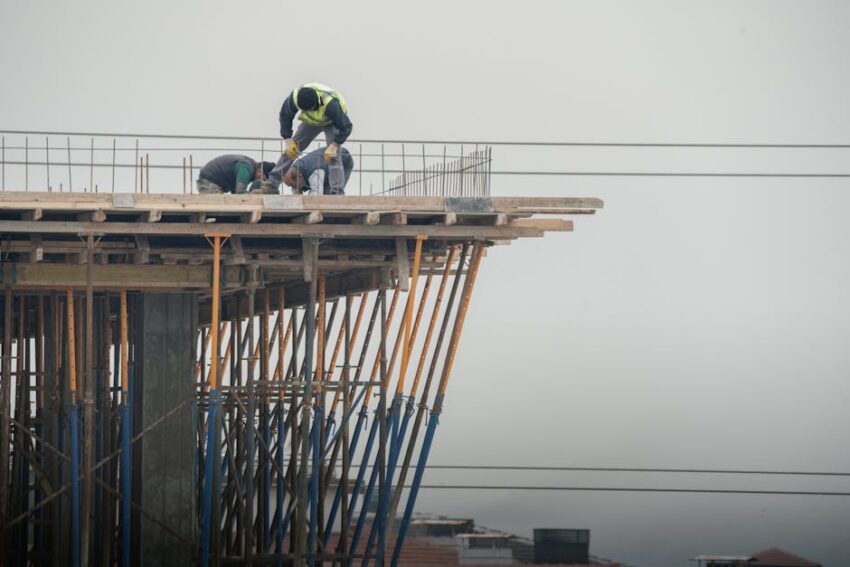
The construction industry stands as one of the most vital sectors in any economy, serving as the backbone for infrastructure development and housing. Over the years, it has evolved significantly, adapting to new technologies, materials, and methodologies. This article delves into the various aspects of the construction industry, exploring its historical context, current trends, challenges, and future outlook.
Historical Overview of Construction
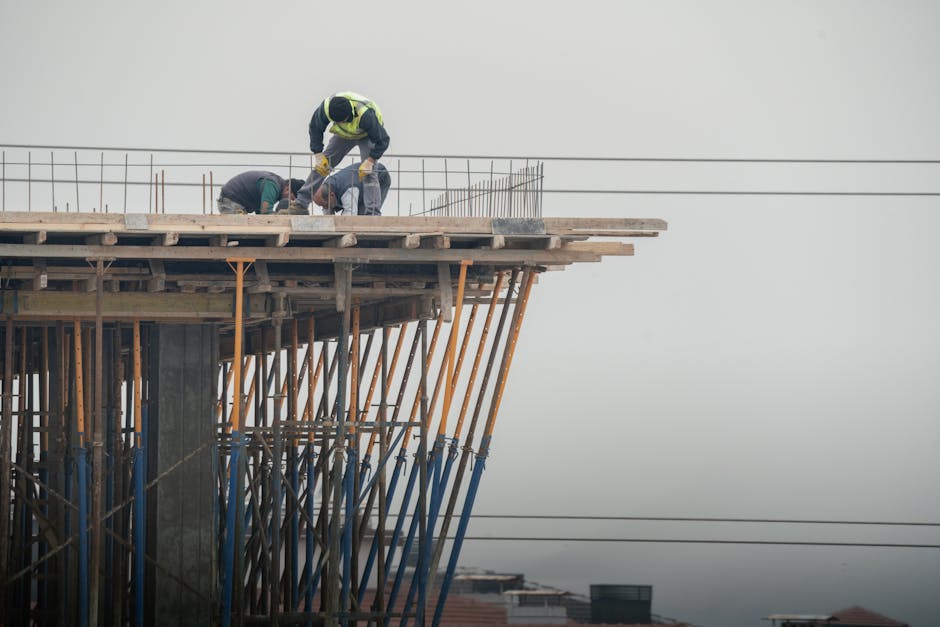
The roots of the construction industry can be traced back to ancient civilizations, where the need for shelter and community structures drove early humans to develop building techniques. From the pyramids of Egypt to the Roman aqueducts, construction has always been about innovation and functionality. In the 19th century, the industrial revolution brought about significant changes, introducing steel and concrete as primary materials and leading to the construction of skyscrapers and bridges that reshaped urban landscapes.
As the 20th century progressed, the introduction of machinery and technology further revolutionized the industry. The use of heavy equipment and prefabrication techniques allowed for faster and more efficient building processes. Today, we see a blend of traditional craftsmanship with modern technology, creating a unique synergy that defines contemporary construction.
Current Trends in the Construction Industry
In recent years, the construction industry has been influenced by several key trends. One major trend is the increasing emphasis on sustainability and green building practices. With climate change becoming a pressing global issue, many construction companies are adopting eco-friendly materials and energy-efficient designs. This shift not only helps reduce the environmental impact but also appeals to a growing market of environmentally conscious consumers.
Additionally, the integration of technology into construction processes has been transformative. Building Information Modeling (BIM), drones, and virtual reality are just a few examples of how technology is changing the way projects are planned and executed. These tools enhance collaboration, improve accuracy, and reduce costs, making them indispensable in modern construction.
Challenges Facing the Construction Industry
Despite its advancements, the construction industry faces several challenges. One significant issue is the skilled labor shortage, which has been exacerbated by an aging workforce and a lack of interest from younger generations. As experienced workers retire, there is a pressing need for training programs and initiatives to attract new talent into the field.
Moreover, the industry is often criticized for its slow adoption of new technologies and processes. While some firms are leading the way in innovation, others remain rooted in traditional methods, which can hinder efficiency and competitiveness. Addressing these challenges is crucial for the industry’s continued growth and success.
The Future of Construction
Looking ahead, the future of the construction industry appears promising yet complex. The ongoing development of smart cities and infrastructure will require innovative solutions that prioritize connectivity and efficiency. Emerging technologies such as artificial intelligence and machine learning will likely play a pivotal role in optimizing construction processes and project management.
Furthermore, as urbanization continues to rise, there will be an increased demand for affordable housing solutions. This presents an opportunity for the industry to explore new building methods, such as 3D printing, which can significantly reduce costs and construction time.
For those involved in the construction sector, it is essential to stay informed and adaptable. Networking within the industry can provide valuable insights and partnerships. For example, engaging with a construction network charlotte nc can connect professionals with resources and opportunities that foster growth and collaboration.
Conclusion
The construction industry is at a crossroads, balancing tradition with innovation. As it continues to evolve, the integration of sustainable practices, technology, and skilled labor will be key factors in shaping its future. By addressing current challenges and embracing new trends, the construction sector can not only thrive but also contribute positively to the economy and society as a whole.