

The landscape of education is undergoing a profound transformation, driven by technological advancements and changing societal needs. As we move further into the 21st century, the methods of teaching and learning are evolving at an unprecedented pace. This article explores the key trends and innovations that are shaping the future of education, providing insight into what students, educators, and institutions can expect in the coming years.
1. The Rise of Online Learning
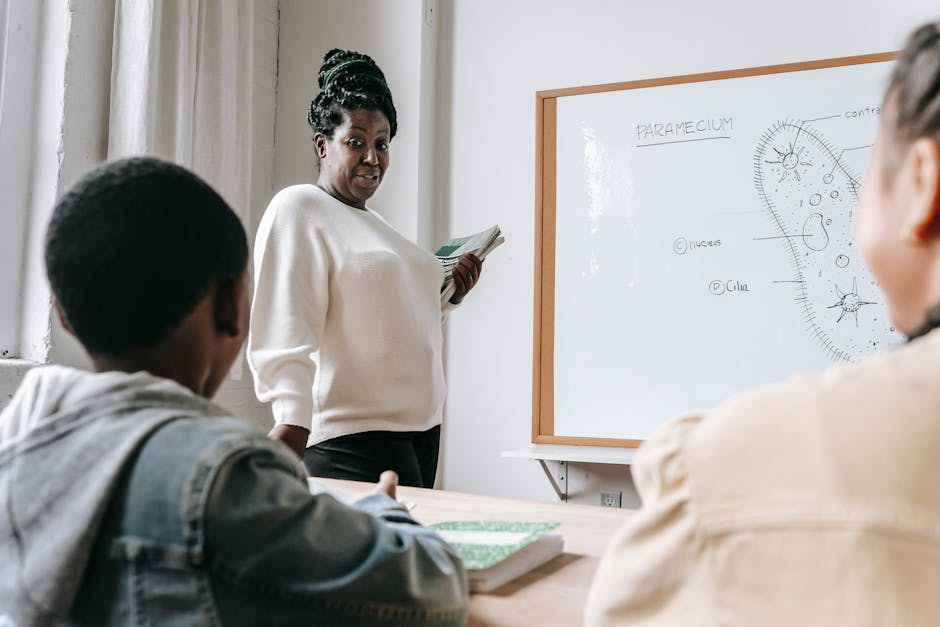
Online learning has gained immense popularity, especially in the wake of the COVID-19 pandemic. Schools and universities around the world were forced to adapt to remote education, leading to a surge in the use of online platforms. According to a report by the National Center for Education Statistics, over 30% of college students were enrolled in at least one online course in 2020. This trend is expected to continue, with more institutions offering hybrid and fully online programs. Online learning provides flexibility and accessibility, allowing students to learn at their own pace and from anywhere in the world.
Moreover, the rise of Massive Open Online Courses (MOOCs) has democratized education, providing access to high-quality resources from top universities. Platforms like Coursera and edX offer courses from prestigious institutions, enabling learners to acquire new skills without the burden of traditional tuition fees.
2. Personalized Learning Experiences
Personalized learning is another trend gaining traction in education. With advancements in data analytics and artificial intelligence, educators can tailor learning experiences to meet the individual needs of students. By analyzing student performance and learning styles, teachers can create customized lesson plans that cater to each learner’s strengths and weaknesses.
For instance, adaptive learning technologies can modify the difficulty of assignments based on a student’s progress. This approach not only enhances engagement but also improves learning outcomes. Research from the Bill & Melinda Gates Foundation indicates that personalized learning can lead to significant gains in student achievement.
3. Emphasis on Social-Emotional Learning (SEL)
In recent years, there has been a growing recognition of the importance of social-emotional learning (SEL) in education. SEL focuses on developing students’ emotional intelligence, resilience, and interpersonal skills, which are crucial for success in both academic and personal life. Schools are increasingly incorporating SEL into their curricula, recognizing its role in fostering a positive learning environment.
According to the Collaborative for Academic, Social, and Emotional Learning (CASEL), SEL programs can lead to improved academic performance, reduced behavioral issues, and enhanced well-being among students. As a result, educational institutions are prioritizing SEL initiatives, training educators to implement effective strategies and creating supportive environments for all learners.
4. The Integration of Technology in Classrooms
Technology continues to play a pivotal role in modern education. From interactive whiteboards to virtual reality (VR) experiences, classrooms are becoming more engaging and dynamic. The integration of technology not only facilitates innovative teaching methods but also prepares students for a technology-driven workforce.
For example, VR and augmented reality (AR) are being used to create immersive learning experiences. Students can explore historical sites or conduct virtual science experiments, enhancing their understanding of complex concepts. Additionally, educational tools such as gamification are being utilized to make learning more enjoyable and effective.
However, it is essential to ensure that all students have access to these technological resources to bridge the digital divide. Efforts must be made to provide equitable access to devices and high-speed internet, particularly in underserved communities.
5. Lifelong Learning and Skill Development
The notion of lifelong learning is becoming increasingly important in today’s fast-paced job market. As industries evolve, individuals must continuously update their skills to remain competitive. Educational institutions are responding by offering more opportunities for adult learners and working professionals to pursue further education.
Programs focused on skill development, such as vocational training and professional certifications, are gaining popularity. According to the World Economic Forum, by 2025, 85 million jobs may be displaced due to automation, while 97 million new roles could emerge that are more adapted to the new division of labor between humans and machines. This shift highlights the need for individuals to adapt and acquire new skills throughout their lives.
Moreover, companies are increasingly investing in employee training and development programs, recognizing the value of a skilled workforce. The integration of on-the-job training and educational partnerships will further support this trend, creating a culture of continuous learning.
Conclusion
The future of education is bright, characterized by innovation and adaptability. As technology continues to reshape the learning landscape, educators, students, and institutions must embrace these changes to prepare for the challenges ahead. By focusing on online learning, personalized experiences, social-emotional development, and lifelong learning, we can create a more inclusive and effective educational system. As we navigate this evolving terrain, it is crucial to ensure that all learners have the resources and support they need to thrive in their educational journeys. Embracing these trends will not only enhance the quality of education but also empower future generations to succeed in an ever-changing world. For instance, many educational platforms have emerged that offer resources and tools for educators and learners alike, including sites dedicated to both academic and practical subjects, such as toto togel.