

Stainless steel has become one of the most popular materials in various industries due to its unique properties and versatility. From kitchen appliances to construction materials, stainless steel is widely used for its durability, resistance to corrosion, and aesthetic appeal. In this article, we will explore the many advantages of stainless steel, its applications across different sectors, and why it continues to be a preferred choice for manufacturers and consumers alike.
What is Stainless Steel?
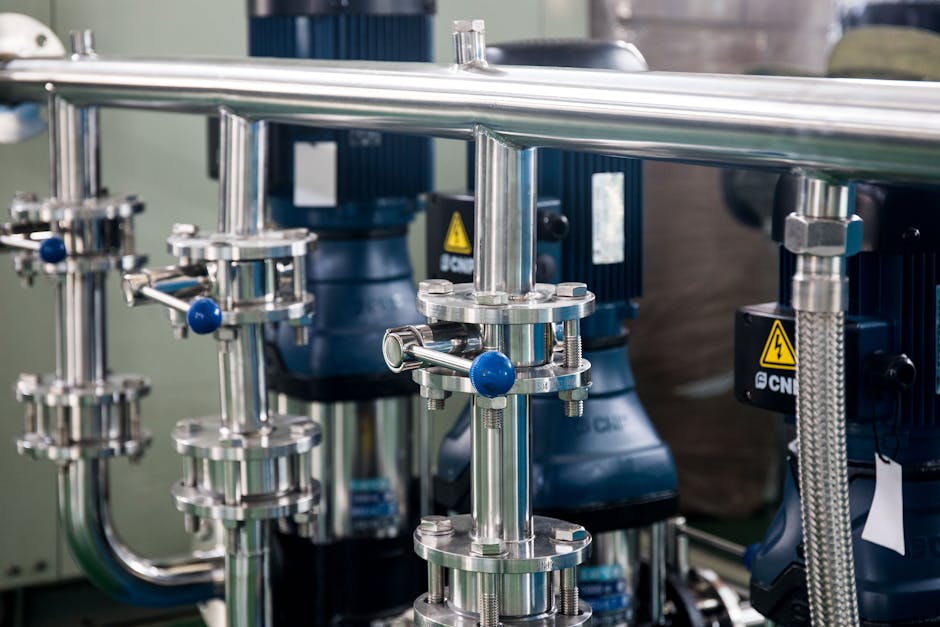
Stainless steel is an alloy primarily composed of iron, with a minimum of 10.5% chromium content. This chromium forms a protective layer of chromium oxide on the surface, which prevents rust and corrosion, making stainless steel a highly durable material. There are various grades of stainless steel, each designed for specific applications, which means that it can be tailored to meet different needs.
Common grades include 304 and 316, which are often used in kitchen equipment and medical instruments, respectively. The choice of grade depends on the environment and the specific requirements of the application, such as resistance to heat or chemicals.
Advantages of Stainless Steel
One of the most significant advantages of stainless steel is its corrosion resistance. Unlike regular steel, stainless steel does not rust or tarnish, which makes it ideal for use in environments exposed to moisture, such as kitchens and outdoor settings. This property significantly extends the lifespan of products made from stainless steel.
Another benefit is its strength and durability. Stainless steel is known for its high tensile strength, making it suitable for construction purposes. Structures made from stainless steel can withstand harsh weather conditions and heavy loads, ensuring safety and longevity.
Additionally, stainless steel is easy to clean and maintain. Its smooth surface does not harbor bacteria, making it a hygienic option for kitchens and hospitals. Regular cleaning with mild soap and water is often sufficient to keep stainless steel looking new.
Applications of Stainless Steel
The applications of stainless steel are vast and varied. In the culinary world, it is used for cookware, cutlery, and kitchen sinks. The material’s non-reactive nature ensures that food remains uncontaminated, which is essential for food safety.
In construction, stainless steel is used for structural components, railings, and facades. Its aesthetic appeal and ability to resist corrosion make it a popular choice for modern architectural designs. Buildings constructed with stainless steel not only look sleek but also require less maintenance over time.
Moreover, stainless steel is integral in the automotive and aerospace industries. Its combination of strength, lightweight properties, and resistance to extreme temperatures makes it ideal for manufacturing parts that require durability and reliability.
The Future of Stainless Steel
As industries continue to evolve, the demand for stainless steel is expected to grow. Innovations in manufacturing techniques and the development of new alloys are paving the way for more efficient and sustainable production processes. For example, recycling of stainless steel is becoming increasingly important, as it reduces waste and conserves natural resources.
Moreover, with the rise of environmentally friendly practices, the construction industry is leaning more toward stainless steel due to its longevity and recyclability. This shift not only helps in reducing the carbon footprint but also promotes a circular economy.
In addition to industrial applications, the popularity of stainless steel in household items is also on the rise. Homeowners are increasingly opting for stainless steel appliances and fixtures due to their modern look and durability. For instance, many people choose to furnish their homes with stainless steel furniture that provides a contemporary edge while ensuring longevity. A great example is the offerings from a Furniture Company In Saudi Arabia that specializes in stainless steel pieces.
Conclusion
In conclusion, stainless steel is a remarkable material that offers a multitude of benefits across various applications. Its durability, corrosion resistance, and aesthetic appeal make it a go-to choice for manufacturers and consumers alike. As technology advances and sustainability becomes a priority, stainless steel will continue to play a vital role in shaping our future. Understanding the advantages and applications of stainless steel can help individuals and businesses make informed decisions when choosing materials for their projects.