
Maintaining a septic tank is crucial for the health of your home and the environment. A well-maintained septic system can prevent costly repairs and protect groundwater from contamination. In this article, we will explore the importance of septic tank cleaning, the signs that indicate your tank needs servicing, and the best practices for keeping your system in top condition.
Understanding Your Septic System
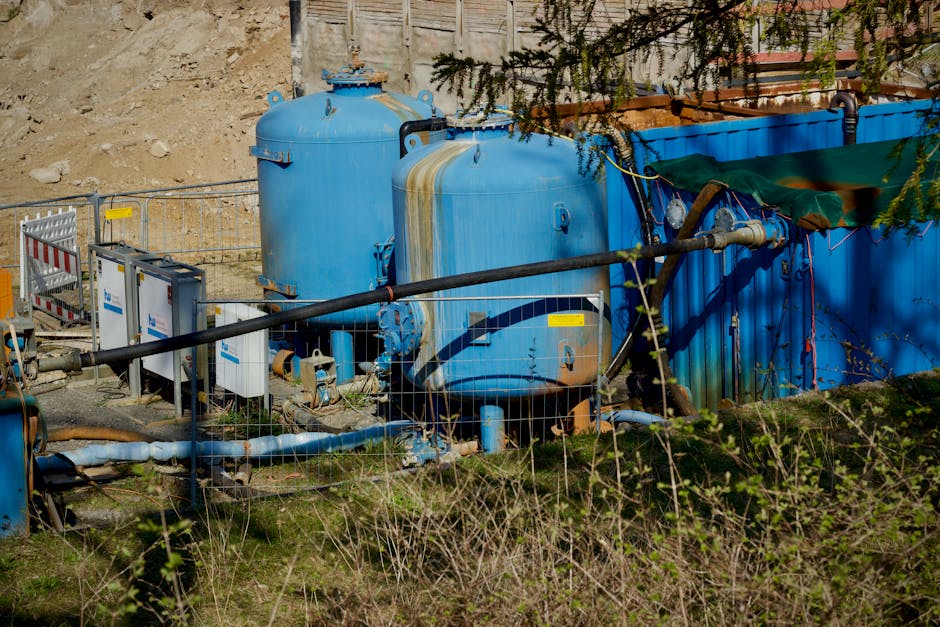
A septic system is a decentralized wastewater treatment system commonly used in rural areas. It consists of a septic tank and a drain field. Wastewater from your home flows into the septic tank, where solids settle at the bottom and are broken down by bacteria. The liquid effluent then flows into the drain field, where it is further treated by the soil.
Understanding how your septic system works is vital. Regular cleaning is necessary to ensure that the tank does not become overloaded with solids, which can lead to system failure. On average, a septic tank should be cleaned every 3 to 5 years, depending on the size of the tank and the number of people in the household.
Signs That Your Septic Tank Needs Cleaning
Recognizing the signs that your septic tank needs cleaning can save you from severe issues. Some common indicators include:
- Slow Drains: If sinks, showers, and toilets are draining slowly, it may be a sign of a full septic tank.
- Unpleasant Odors: Foul smells around the septic tank or drain field can indicate a problem.
- Pooling Water: Excess water or puddles around the drain field can suggest that the tank is overflowing.
- Gurgling Sounds: Unusual gurgling noises in your plumbing can indicate that air is trapped in the pipes due to a blockage.
If you notice any of these signs, it is essential to contact a professional for an inspection and cleaning.
The Cleaning Process
The process of septic tank cleaning typically involves several steps:
- Inspection: A professional will inspect your system to assess its condition and locate the tank.
- Pumping: The tank is pumped to remove the accumulated sludge and scum. This is usually done with a vacuum truck.
- Cleaning: After pumping, the technician may clean the tank’s interior to remove any remaining debris.
- Inspection of Components: The technician will check the baffles, filters, and other components for wear and tear.
The entire process typically takes a few hours and is crucial for maintaining the efficiency of your system. Regular cleaning can extend the life of your septic tank and reduce the need for costly repairs.
Best Practices for Septic Tank Maintenance
In addition to regular cleaning, there are several best practices you can follow to ensure the longevity of your septic system:
- Conserve Water: Reducing water usage can prevent overloading your septic tank. Consider fixing leaks and installing water-saving fixtures.
- Avoid Harsh Chemicals: Chemicals can disrupt the natural bacteria in your septic tank. Use biodegradable and septic-safe products instead.
- Mind Your Waste: Only human waste and toilet paper should be flushed down the toilet. Avoid flushing hygiene products, oils, and food waste.
- Regular Inspections: Have your septic system inspected regularly, even between cleanings, to catch any potential issues early.
Incorporating these practices into your routine can significantly enhance your septic tank’s performance and lifespan.
Conclusion
Septic tank cleaning is an essential part of home maintenance that should not be overlooked. Understanding your septic system, recognizing the signs of a full tank, and following best maintenance practices can save you time and money in the long run. To ensure your system remains efficient, consider professional services for regular cleaning and septic maintenance. A proactive approach will help you enjoy a healthy, functioning septic system for years to come.