
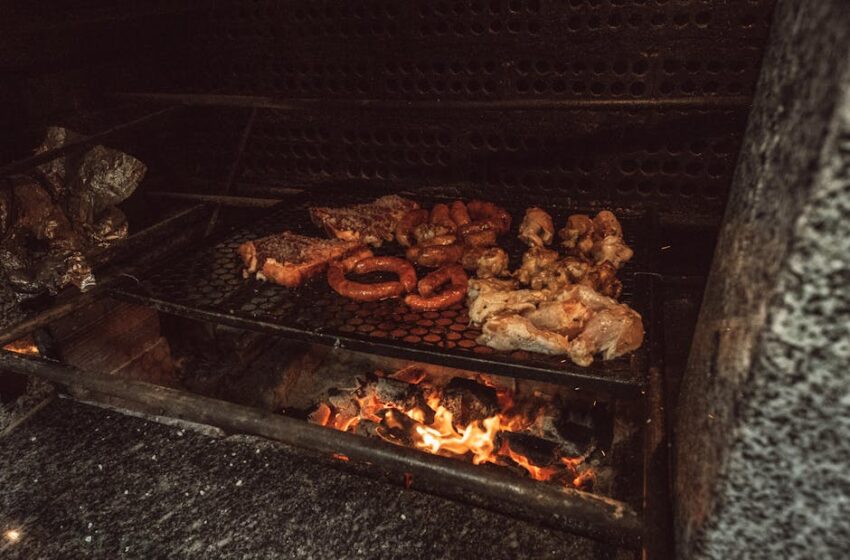
Barbecue is more than just a cooking method; it’s a cultural phenomenon that brings people together. Whether you’re a novice or a seasoned grill master, understanding the nuances of barbecue can elevate your outdoor cooking experience to new heights. In this guide, we’ll explore various barbecue techniques, essential tips, and some mouth-watering recipes that will impress your family and friends.
A Brief History of Barbecue
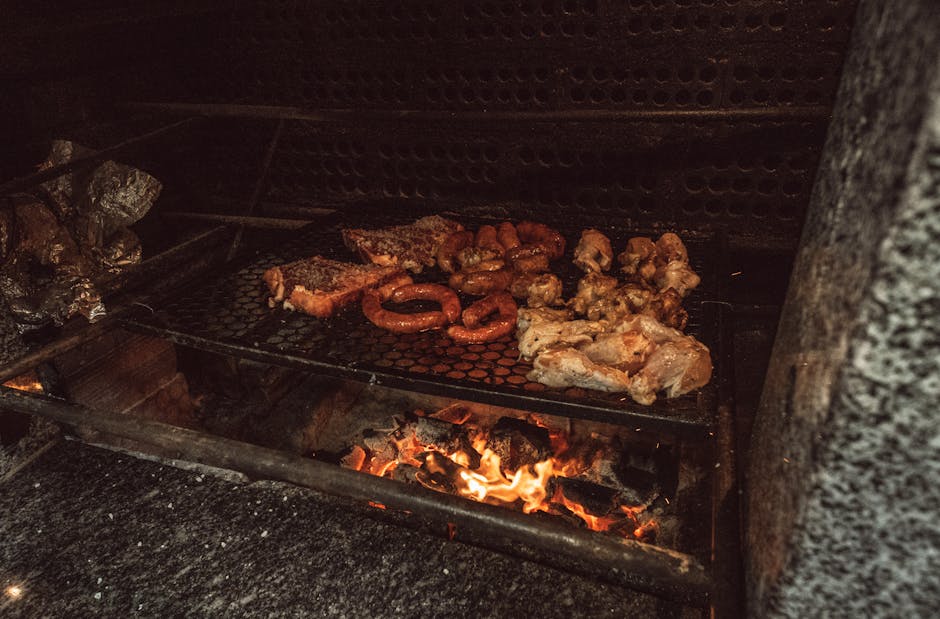
The roots of barbecue can be traced back to ancient civilizations, where meat was cooked over an open flame. The word ‘barbecue’ itself originates from the Taino word ‘barbacoa’, which referred to a wooden structure used for cooking meat. Over the centuries, barbecue has evolved, influenced by different cultures and regions. In the United States, regional styles such as Texas brisket, Carolina pulled pork, and Kansas City ribs have emerged, each with its own unique flavor profiles and cooking techniques.
In the 19th century, barbecue became a popular communal activity, often associated with social gatherings and celebrations. Events would feature large gatherings where whole animals were cooked, allowing communities to come together and share a meal. Today, barbecue is celebrated in various forms across the globe, highlighting the adaptability and richness of this cooking tradition.
Essential Barbecue Techniques
Mastering barbecue involves understanding different cooking techniques. Two primary methods dominate the scene: direct and indirect heat cooking. Direct heat is ideal for quick-cooking foods like burgers and hot dogs, while indirect heat is perfect for larger cuts of meat that require longer cooking times, such as briskets and ribs.
Smoking is another crucial technique in barbecue. By using wood chips or chunks, you can infuse your meat with rich, smoky flavors. Different types of wood impart distinct tastes; for example, hickory provides a strong flavor, while applewood offers a milder, sweeter note. Experimenting with various woods can lead to exciting flavor discoveries.
Temperature control is vital in barbecue. Using a reliable meat thermometer ensures that your meat is cooked to perfection. For instance, brisket is best when it reaches an internal temperature of around 195°F to 205°F, allowing the collagen to break down and create a tender texture. The use of a smoker or a grill with a lid can help maintain a consistent temperature throughout the cooking process.
Essential Tips for Perfect Barbecue
To achieve the best results, consider these essential tips. First, marinating or dry rubbing your meat before cooking can enhance flavor and tenderness. A simple mixture of salt, pepper, and your favorite spices can work wonders. Allow your meat to marinate for at least a few hours, or ideally overnight, to let the flavors penetrate deeply.
Another tip is to avoid the temptation to constantly flip or poke at your meat while it cooks. Letting the meat cook undisturbed allows for the development of a nice crust and retains moisture. Additionally, resting the meat after cooking is crucial. Allowing it to rest for 10-15 minutes before slicing ensures that the juices redistribute, resulting in a juicier bite.
Finally, don’t forget about the importance of cleanliness. Keeping your grill clean not only prolongs its life but also prevents unwanted flavors and bacteria. Regularly scrape down grates and empty grease trays to maintain a neat cooking environment.
Barbecue Recipes to Try
Now that you’re equipped with techniques and tips, let’s dive into some delicious barbecue recipes. A classic favorite is smoked pulled pork. Start with a pork shoulder, apply a dry rub, and smoke it low and slow for several hours until it reaches an internal temperature of 195°F. Shred the meat and serve it on buns with coleslaw for a delightful sandwich.
For beef lovers, Texas-style brisket is a must-try. Season a whole brisket with a simple rub of salt and pepper, then smoke it for around 12-16 hours. The key is low and slow cooking, which results in a tender and flavorful cut. Pair it with classic sides like baked beans and cornbread for a complete barbecue feast.
Don’t forget about vegetables! Grilled corn on the cob is a fantastic side that pairs well with any barbecue dish. Simply brush it with butter, sprinkle with salt, and grill until tender. For a fun twist, you can also try grilling pineapple slices for a sweet dessert option.
Conclusion
Barbecue is both an art and a science, requiring practice and passion to master. By understanding the history, techniques, and tips outlined in this guide, you can elevate your barbecue skills and create unforgettable meals. Whether you’re hosting a backyard gathering or simply enjoying a quiet evening with family, barbecue is a wonderful way to bring joy and flavor into your life. Remember, the best barbecue comes from patience and a desire to experiment. So fire up your grill, invite some friends over, and enjoy the delicious journey of barbecue cooking.
For more information on enhancing your barbecue experience, feel free to reach out to Zeus.